

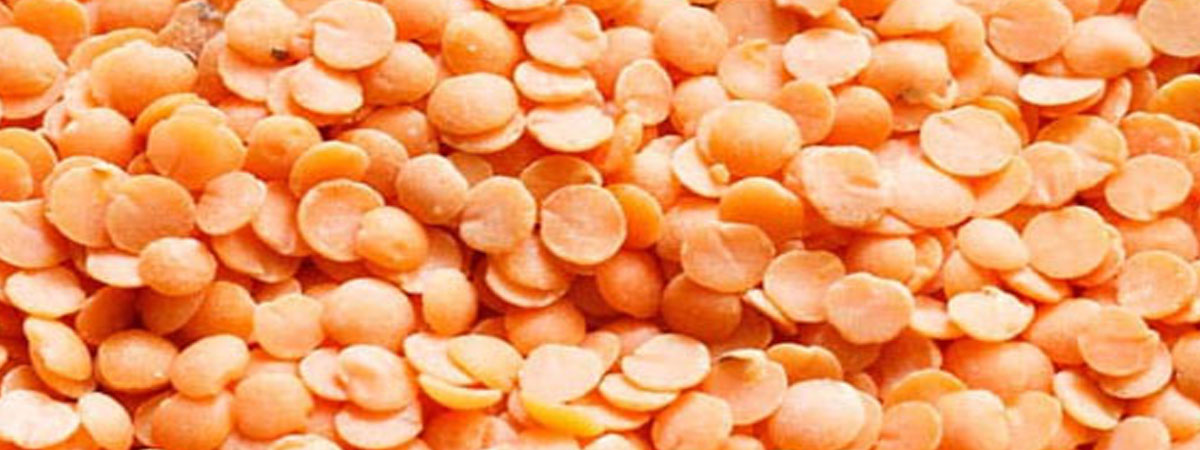
India witnessed an increase in masoor (red lentil) imports during January–June 2026, even as the country’s overall pulses imports declined by 1.46% year-on-year during the period.
The rise in masoor inflows indicates stronger reliance on overseas supplies to meet domestic demand for lentils. Increased availability in international markets supported import flows, helping maintain supplies in the Indian market.
Masoor is an important pulse in the Indian diet and is widely consumed across the country. Domestic production, however, can vary depending on acreage, weather conditions, yields and market prices. As a result, imports remain an important component of India’s pulse supply chain.
The contrasting movement in overall pulses imports and masoor imports highlights changing demand and supply patterns within India’s pulse market. While total pulses inflows recorded a year-on-year decline, masoor moved in the opposite direction during the first half of 2026.
Higher imports also underline the growing connection between India’s domestic pulse market and global agricultural trade. International availability, prices, production trends and trade policies can influence the flow of pulses into the country.
For consumers and the broader food sector, steady availability of imported masoor can help supplement domestic supplies. For farmers and policymakers, meanwhile, import trends provide useful signals about domestic production, consumption requirements and market conditions.
The development comes at a time when strengthening India’s pulse production remains important for food security, farmer incomes and nutritional needs. Expanding productivity and improving production efficiency, while maintaining access to international supplies when required, can help create a more resilient pulse supply chain.
The January–June 2026 trend therefore presents a mixed picture for India’s pulses sector: overall imports declined modestly, but masoor imports increased, reflecting continued domestic demand and the role of global supplies in meeting India’s lentil requirements.
Comment here