

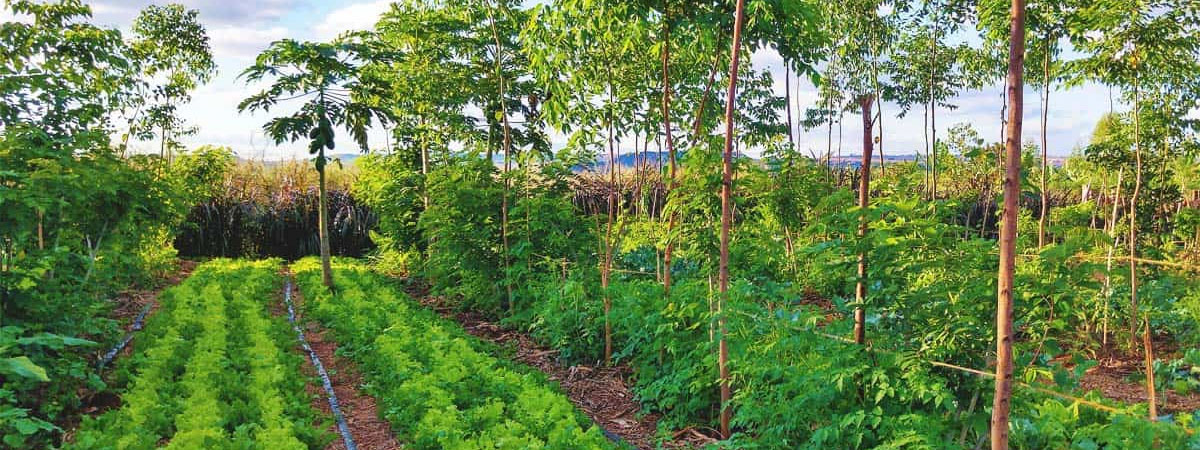
Regenerative agriculture is gaining attention as a farming approach that aims to produce food while restoring the health of the natural systems agriculture depends on. Unlike conventional approaches that may focus primarily on productivity, regenerative agriculture places soil health, biodiversity, water management and long-term resilience at the centre of farming.
It is not a single farming technique. Depending on local conditions, it can include crop rotation, cover crops, reduced tillage, residue management, composting, agroforestry, integrated crop-livestock systems and improved nutrient and water management.
The idea is simple: healthy soil can support healthier and more resilient farms.
For India, this approach is particularly relevant. Agriculture is the country’s largest user of water, while several farming regions face groundwater depletion and increasing water stress. Practices that improve soil structure and organic matter can help increase water infiltration and retention, potentially improving the ability of farms to withstand dry periods.
Soil health is another major concern. Erosion, nutrient imbalance, declining organic matter and other forms of degradation can affect agricultural productivity over time. Regenerative practices seek to rebuild soil biological activity and improve nutrient cycling.
Climate change adds another dimension. Indian farmers increasingly face heat, irregular rainfall, droughts, floods and changing pest pressures. More diverse farming systems and healthier soils can contribute to greater resilience, although results vary by crop, region and management practices.
Regenerative agriculture also places greater emphasis on biodiversity. Diverse crops, trees, beneficial insects, livestock and soil organisms can contribute to healthier agricultural ecosystems.
However, regenerative agriculture is not a universal solution. India needs region-specific approaches supported by scientific research, farmer knowledge and viable economics. Farmers also need access to markets, technology, finance and effective agricultural extension.
Ultimately, regenerative agriculture asks an important question: Can India produce enough food today while improving the soil, water and ecosystems needed to produce food tomorrow?
For a country where agriculture supports both food security and millions of livelihoods, that question is becoming increasingly important.
Comment here